Homemade English Muffin Recipe
Introduction
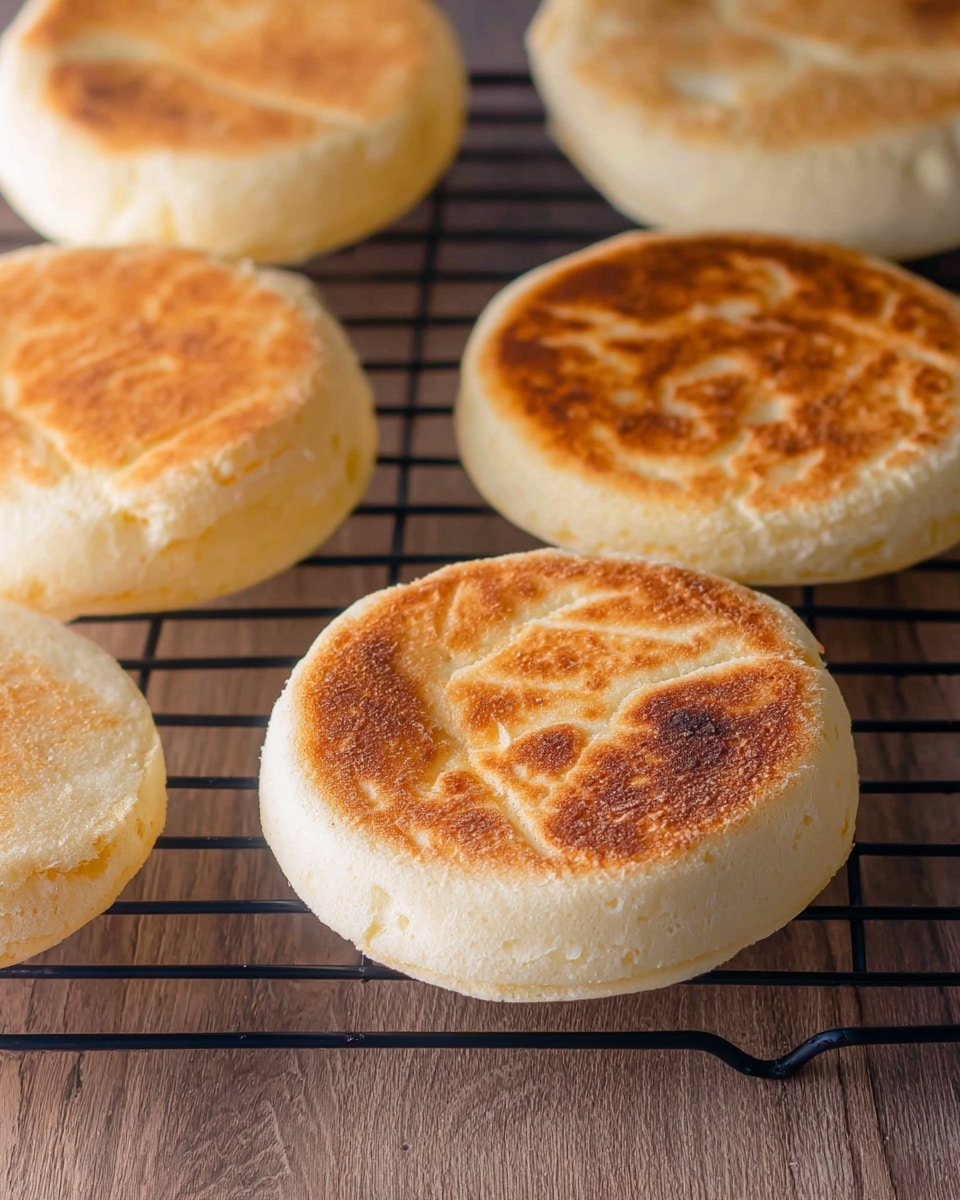
Nothing beats the warm, comforting taste of homemade English muffins. Crispy on the outside, soft and airy on the inside, these muffins are perfect for breakfast or snacks. Making them from scratch is easier than you think and yields delicious results!
Ingredients
- ½ cup warm water
- 2¼ tsp instant dry yeast (or 1 envelope)
- 2 tbsp granulated sugar (can use raw sugar)
- 2¾ cups all-purpose flour
- 1 tsp salt
- ⅔ cup milk
- 2 tbsp butter (melted, cooled; salted or unsalted)
- Cornmeal (optional, to prevent sticking)
Instructions
- Step 1: In a large mixing bowl, combine warm water, yeast, and sugar. Let sit for 3 to 4 minutes until foamy, indicating the yeast is active.
- Step 2: Add the flour and salt, mixing alternately with the milk.
- Step 3: When most of the flour is incorporated, add the melted and cooled butter. Be careful not to add hot butter directly to the yeast mixture to avoid killing the yeast.
- Step 4: Mix the dough until it forms a ball. Use a spoon, Danish whisk, or hands—not a regular whisk or hand mixer—due to the thick dough. A stand mixer can be used without over-mixing.
- Step 5: Cover the bowl with plastic wrap and leave in a warm, draft-free spot to rise for 60 to 90 minutes until doubled in size.
- Step 6: Turn the risen dough onto a lightly floured surface (about 2 tablespoons of flour). Roll it out to about ½ inch thick.
- Step 7: Use a 3-inch round cutter to cut out 8 circles. Roll and cut remaining dough as needed. Lift the rolled dough gently before cutting to allow it to relax.
- Step 8: Sprinkle cornmeal on a cookie sheet, place the cut muffins on it, and cover with a towel. The cornmeal helps prevent sticking and preserves the muffins’ air bubbles.
- Step 9: Let the muffins rise again in a warm, draft-free place for 45 minutes.
- Step 10: Heat a non-stick or well-seasoned cast iron skillet over medium heat and cover it to trap steam.
- Step 11: Carefully transfer 3 or 4 muffins at a time to the hot skillet, handling gently to keep air bubbles intact. Oil is optional if the pan is well seasoned.
- Step 12: Cover and cook the muffins for 5 minutes until the bottoms are golden.
- Step 13: Flip the muffins carefully, cover again, and cook for an additional 4 to 5 minutes.
- Step 14: The muffins are done when their internal temperature reaches 190 °F. Remove and let cool slightly before serving.
Tips & Variations
- Use cornmeal on the baking surface to prevent sticking and preserve the muffins’ texture.
- Make sure the butter has cooled before adding it to the yeast mixture to avoid killing the yeast.
- For a richer flavor, substitute some of the milk with buttermilk.
- Try adding herbs or cheese into the dough for a savory twist.
Storage
Store cooled English muffins in an airtight container at room temperature for up to 2 days. For longer storage, freeze them in a sealed bag for up to 3 months. Reheat by toasting or warming in a skillet to restore their crispy texture.
How to Serve
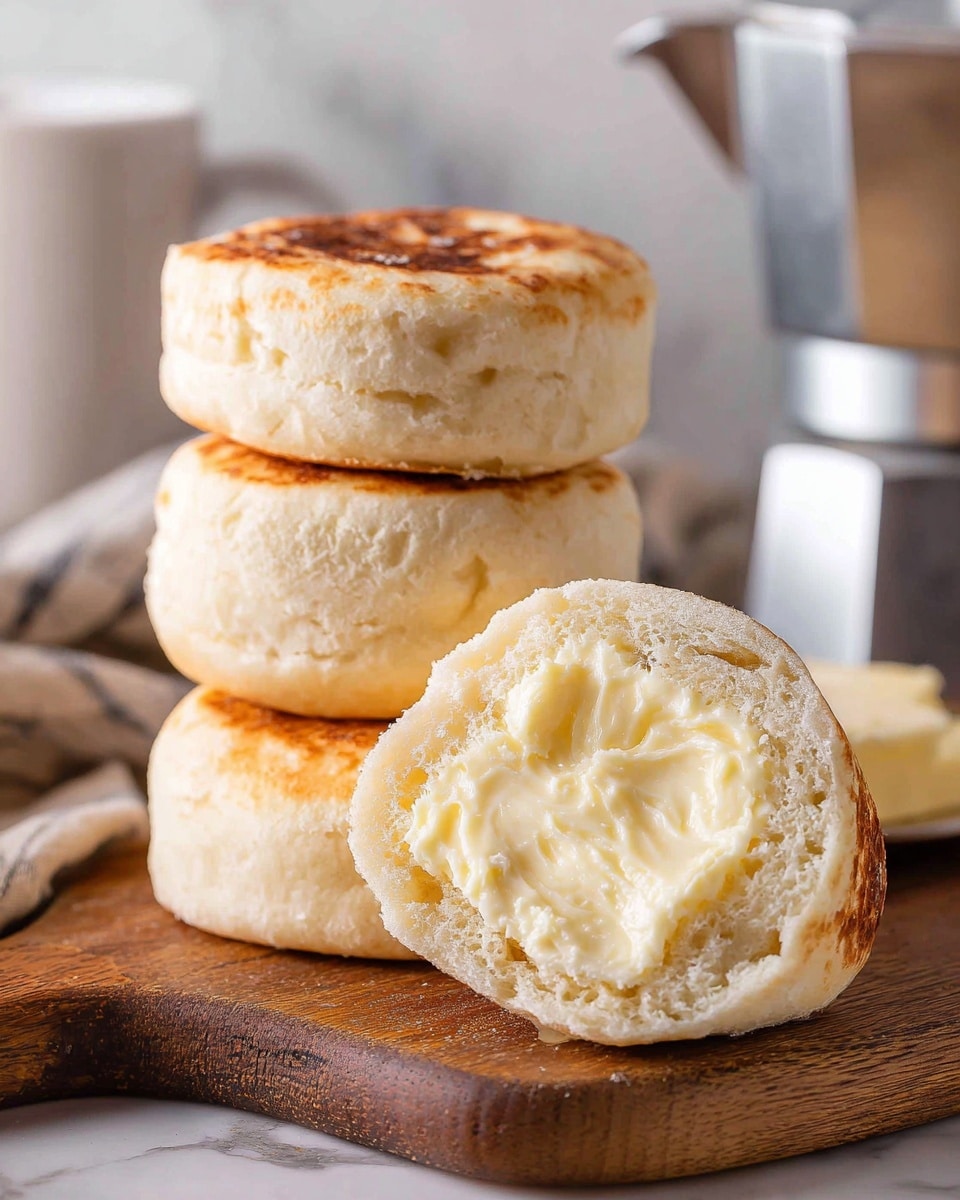
Serve this delicious recipe with your favorite sides.
FAQs
Can I use active dry yeast instead of instant yeast?
Yes, but you’ll need to dissolve active dry yeast in warm water first and let it proof for about 5 to 10 minutes before mixing with other ingredients.
Why do I need to cover the skillet while cooking?
Covering traps steam, which helps cook the muffins evenly inside without burning the crust, ensuring a soft interior with a nicely browned outside.
PrintHomemade English Muffin Recipe

This homemade English muffin recipe yields soft, airy muffins with a slightly crispy crust, perfect for toasting and spreading with butter or jam. It involves activating yeast, mixing a thick dough, two rises for perfect fluffiness, and cooking the muffins in a covered skillet for a tender texture and golden crust.
- Prep Time: 15 minutes
- Cook Time: 15 minutes
- Total Time: 2 hours 15 minutes
- Yield: 8 English muffins 1x
- Category: Breakfast
- Method: Stovetop
- Cuisine: British
- Diet: Vegetarian
Ingredients
Liquid Ingredients
- ½ cup warm water
- ⅔ cup milk
- 2 tbsp butter (melted and cooled; salted or unsalted)
Dry Ingredients
- 2¼ tsp instant dry yeast (or 1 envelope)
- 2 tbsp granulated sugar (can use raw sugar)
- 2¾ cups all-purpose flour
- 1 tsp salt
- Cornmeal (optional, for dusting to prevent sticking)
Instructions
- Activate Yeast: In a large mixing bowl, combine warm water, yeast, and sugar. Let it sit for 3 to 4 minutes until foamy, indicating the yeast is active.
- Mix Flour and Milk: Add flour and salt, alternating with the milk, mixing gradually to incorporate.
- Add Melted Butter: When most of the flour is combined, add the cooled melted butter to avoid killing the yeast.
- Form Dough Ball: Mix using a spoon, Danish whisk, or hands until a dough ball forms with no dry flour visible. Avoid overmixing and not recommended to use a regular whisk or hand mixer due to thickness.
- First Rise: Cover the bowl with plastic wrap and let the dough rise in a warm, draft-free place for 60 to 90 minutes until doubled in size.
- Prepare for Shaping: On a lightly floured surface (about 2 tablespoons), place the dough and roll it out to about ½ inch thickness. Lift and relax the dough before cutting circles.
- Cut Muffins: Using a 3-inch round cutter, cut out 8 circles by rolling and recutting the dough as needed.
- Second Rise on Cornmeal: Sprinkle cornmeal on a cookie sheet and place the cut muffins on it. Cover with a towel and let rise again for 45 minutes in a warm, draft-free place.
- Preheat Pan: Heat a non-stick or well-seasoned cast iron skillet with a lid on medium heat. Covering preserves steam for even cooking and prevents burning.
- Cook English Muffins: Add 3 or 4 muffins at a time, carefully lifting them to keep the air bubbles intact. No oil is needed if the pan is well-seasoned; optionally, a thin oil layer won’t affect results.
- Cook First Side: Cover the skillet and cook the muffins for 5 minutes until set.
- Flip and Cook Second Side: Carefully flip each muffin and cook covered for another 4 to 5 minutes until done.
- Check for Doneness: The muffins are cooked when the internal temperature reaches 190 °F.
Notes
- Adding the melted butter after most flour is incorporated and after cooling prevents yeast overheating and ensuring proper rising.
- Using cornmeal helps to prevent sticking without affecting texture; it also minimizes air bubble loss compared to silicone mats.
- Covering the skillet while cooking maintains steam, crucial for perfect English muffin texture and avoiding burnt crust.
- Handle the dough carefully after rising to preserve air bubbles, which ensure fluffiness.
- A well-seasoned cast iron skillet can cook muffins without oil, but a thin oil layer is acceptable.
Keywords: English muffins, homemade muffins, breakfast bread, yeast bread, stovetop muffins, British breakfast, soft English muffins